Trump Administration Advertisement Supported by How Sergio Gor Is Transforming the Role of U.S. Ambassador in the Trump Era From his post in New Delhi, Mr. Gor has become a force in U.S. foreign policy, chasing business deals and stunning diplomats by reversing a long-planned embassy building project.
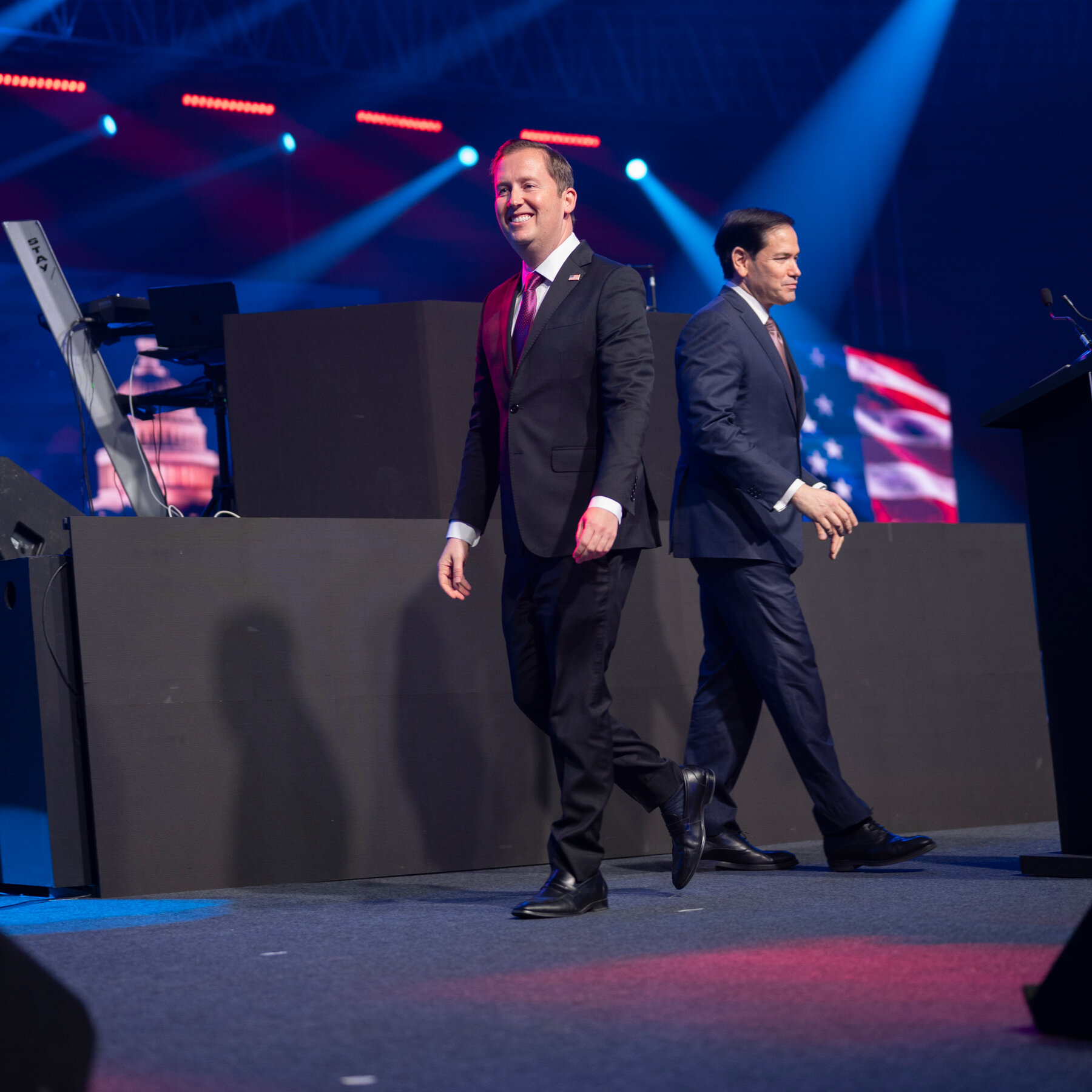
A man in a dark suit crosses a stage in front of Secretary of State Marco Rubio. Anton Troianovski By Anton Troianovski Reporting from New Delhi Days before President Trump left office in 2021, the State Department broke ground on an $850 million construction project at its aging embassy in New Delhi.
By last fall, alongside work on smaller buildings, crews had dug a 200-foot-long pit for the project’s centerpiece: a sleek edifice of glass and stone that was supposed to make the biggest U.S. mission in South Asia more “secure and resilient.” In recent months, without public announcement, the U.S. government canceled that building project and filled in the pit.
The reversal has stunned diplomats who see it as a long-term blow to America’s ability to operate in the world’s most populous country. It has stung some intelligence officials who wanted more modern classified facilities in a volatile region. And it shed light on the influence of the man who spearheaded the reversal and has become a major force in U.S. foreign policy: Mr.
Trump’s new ambassador to India, Sergio Gor. Mr. Gor, 39, is a former congressional aide who helped publish Mr. Trump’s books and ran the presidential personnel office last year, acting as a gatekeeper to power. Then Mr. Gor became more active abroad, using his close ties to Mr.
Trump to push for economic deals in Central Asia, including in his native Uzbekistan. In January, he took up his post in New Delhi, with the added title of special envoy to South and Central Asia. Since then, Mr. Gor has put on display the changed role of an ambassador in the second Trump era, a role defined almost exclusively through personal ties to the president.
It is an approach to diplomacy that focuses on business deals and other near-term priorities, with little regard, critics say, for long-term strategy. We are having trouble retrieving the article content. Please enable JavaScript in your browser settings. Thank you for your patience while we verify access.
If you are in Reader mode please exit and log into your Times account, or subscribe for all of The Times. Thank you for your patience while we verify access. Already a subscriber? Log in. Want all of The Times? Subscribe. Related Content Advertisement Site Index Site Information Navigation