SKIP TO CONTENT SKIP TO SITE INDEX SECTION NAVIGATION Search SUBSCRIBE FOR €0.50/WEEK LOG IN Ebola Outbreak What to Know Size of Outbreak Testing Treatments Political Crisis in Kenya C.D.C. Projections Mapping the Outbreak ADVERTISEMENT SKIP ADVERTISEMENT New Plan Scales Back C.D.C.’s Work on Diseases Abroad The State Department is taking over much of the control of global health initiatives, for which critics say the department does not have the expertise.
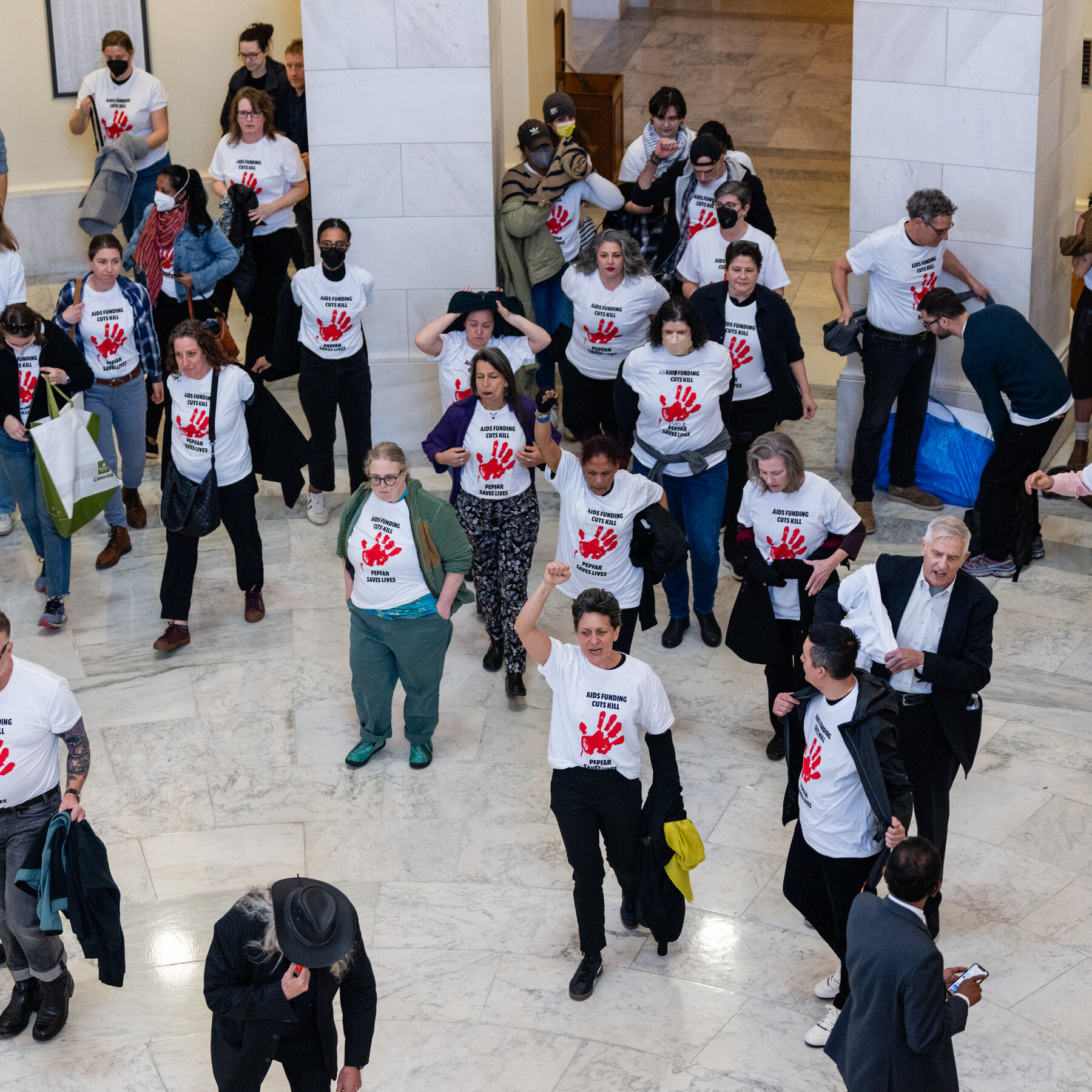
Listen · 10:29 min Share full article Demonstrators in Washington in 2025 protest the withholding of funding from the President’s Emergency Plan for AIDS Relief, PEPFAR. Credit... Eric Lee/The New York Times By Apoorva Mandavilli June 17, 2026, 3:43 p.m. ET See more of our coverage in your search results.
Add The New York Times on Google Even as the world is racing to contain the deadly Ebola epidemic in the Democratic Republic of Congo, the Trump administration is moving ahead with a plan that could decimate support for programs that detect and snuff out exactly such outbreaks.
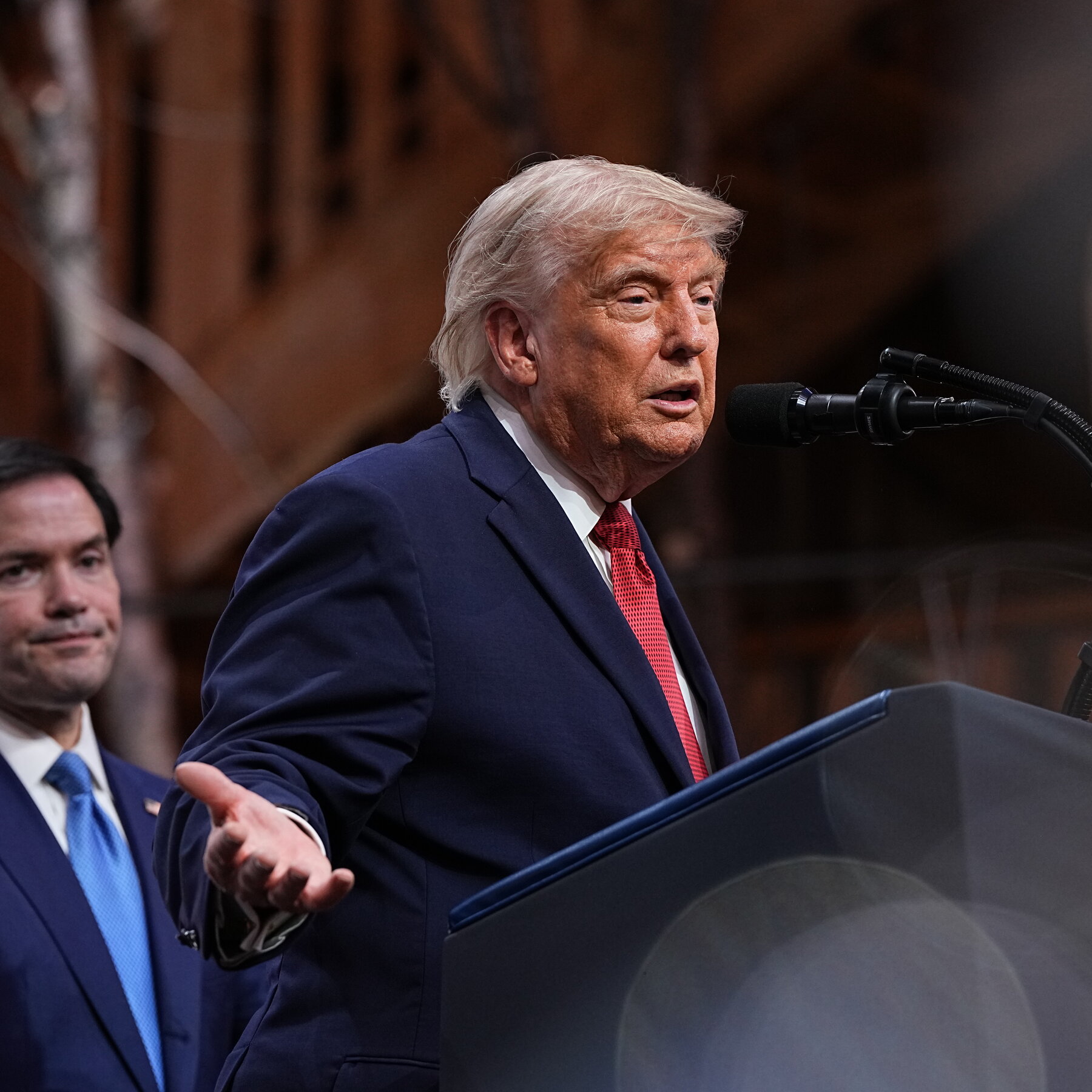
The new plan, proposed by the State Department, aims to overhaul the Centers for Disease Control and Prevention’s work on a landmark global H.I.V. program that also helps countries manage surveillance for emerging diseases, strengthen laboratory networks and support childhood immunizations.
If the plan goes into effect on Oct. 1 as scheduled, it would effectively shut the agency out of overseeing many global health programs and shift control over the bulk of funds and decisions to the State Department. The changes may sideline the country’s premier experts on global health and could lead to the closure of about a third of its 60 country offices within the next three years, according to some officials with knowledge of the programs.
ADVERTISEMENT SKIP ADVERTISEMENT “This is the end of autonomy and independence and long-term capacity at the C.D.C. for work in global health,” said Dr. Atul Gawande, a former head of global health at the U.S. Agency for International Development and a professor at Harvard Medical School.
The proposal is intended to diminish the agency’s authority in the President’s Emergency Plan for AIDS Relief, known as PEPFAR, a program credited with saving 26 million lives since it was created by the administration of President George W. Bush in 2003. Before 2025, U.S.A.I.D. managed more than half of PEPFAR’s budget, and the C.D.C. handled much of the rest.
Subscribe to The Times to read as many articles as you like. Apoorva Mandavilli reports on science and global health for The Times, with a focus on infectious diseases and pandemics and the public health agencies that try to manage them. See more on: U.S. Politics, Centers for Disease Control and Prevention, President's Emergency Plan for AIDS Relief, State Department Share full article Related Content ADVERTISEMENT SKIP ADVERTISEMENT Site Index Site Information Navigation © 2026 The New York Times Company NYTCoContact UsAccessibilityWork with usAdvertiseT Brand StudioPrivacy PolicyCookie PolicyTerms of ServiceTerms of SaleSite MapHelpSubscriptionsManage Privacy Preferences To leave without signing in, use your browser's Back button.
Enjoy unlimited access to all of The Times. See subscription options