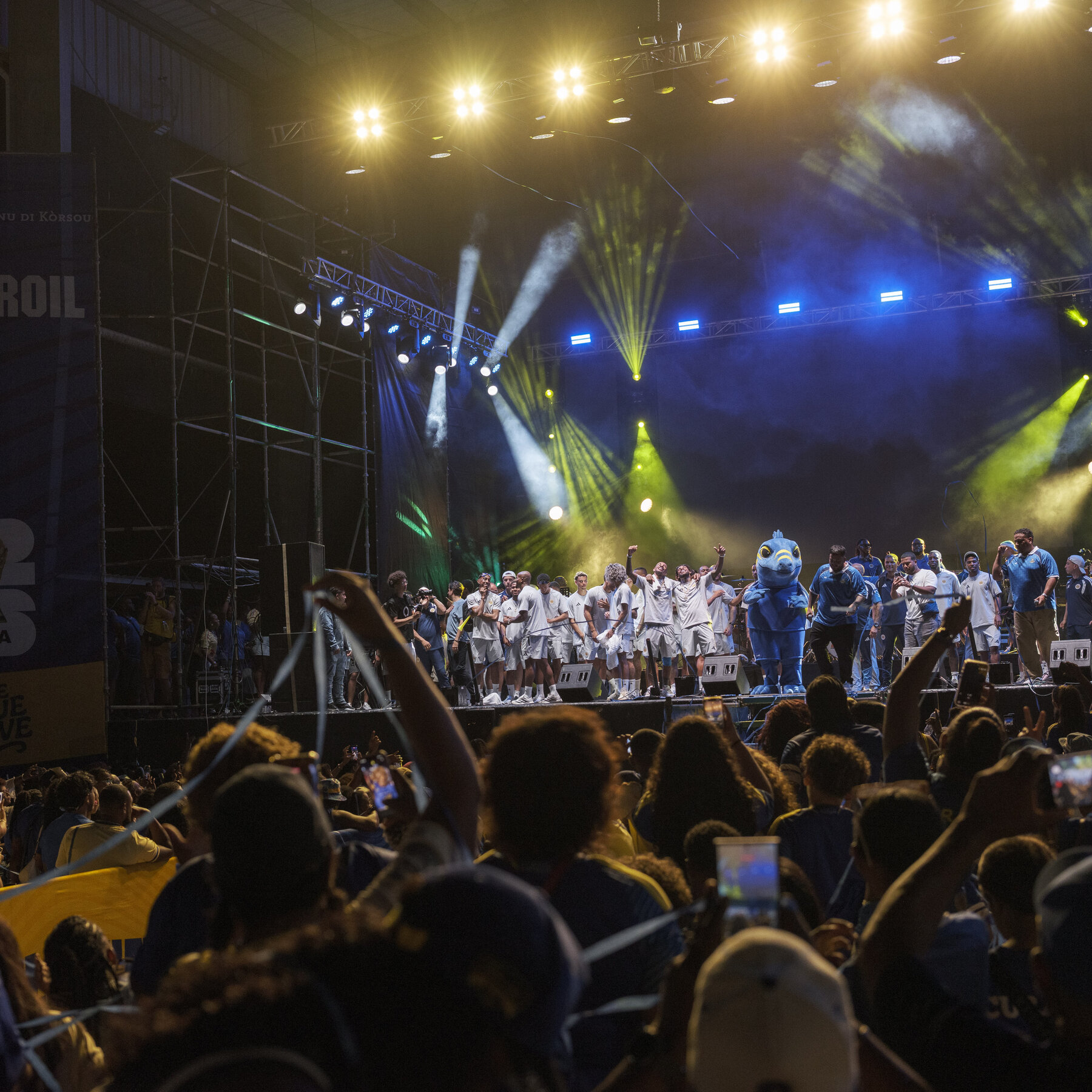
Competing for the first time, Curaçao is brimming with joy. Most of the Caribbean nation’s team was born and raised in the Netherlands, but residents say the players represent them.Soccer players and artists at a celebration this month in Curaçao, a Caribbean island and constituent country of the Kingdom of the Netherlands.Meet the Smallest Country Ever to Reach the World CupCompeting for the first time, Curaçao is brimming with joy.
Most of the Caribbean nation’s team was born and raised in the Netherlands, but residents say the players represent them.Soccer players and artists at a celebration this month in Curaçao, a Caribbean island and constituent country of the Kingdom of the Netherlands.Credit...Listen · 7:45 min June 14, 2026In the nearly 100-year history of the World Cup soccer tournament, 80 countries have competed (plus a few that no longer exist).
Four new ones will join the ranks this summer, including Curaçao.The tiny Caribbean island, which sits 40 miles off the coast of Venezuela and is better known for producing top baseball players, is home to 158,000 people. When it takes the field Sunday for the first time in World Cup history, it will supplant Iceland, which had 350,000 residents when it played in 2018, as the smallest nation ever to do so.“It’s hope to other countries that it’s possible, no matter the size,” said Brenton Balentien, 35, a bartender and lifelong Curaçao soccer fan.The journey has taken decades.
But a shift in the national soccer federation’s approach — moving away from local amateur players toward professionals of Curaçaoan descent — has finally propelled the country into the 48-team tournament.It has also created a dynamic emblematic of the nation itself: Only one player on the squad facing Germany in Houston, Tahith Chong, was born on the island.
The rest were born and largely raised in the Netherlands.The reason lies in history. Following the dissolution of the Netherlands Antilles in 2010, Curaçao became an autonomous constituent country within the Kingdom of the Netherlands. It has its own prime minister, Parliament and laws, but its head of state is the Dutch king, Willem-Alexander, its highest court is the Supreme Court of the Netherlands, and its military and foreign affairs are handled from The Hague.
All Curaçaoans hold Dutch passports.James Wagner covers news and culture in Latin America for The Times. He is based in Mexico City.AdvertisementSKIP ADVERTISEMENT